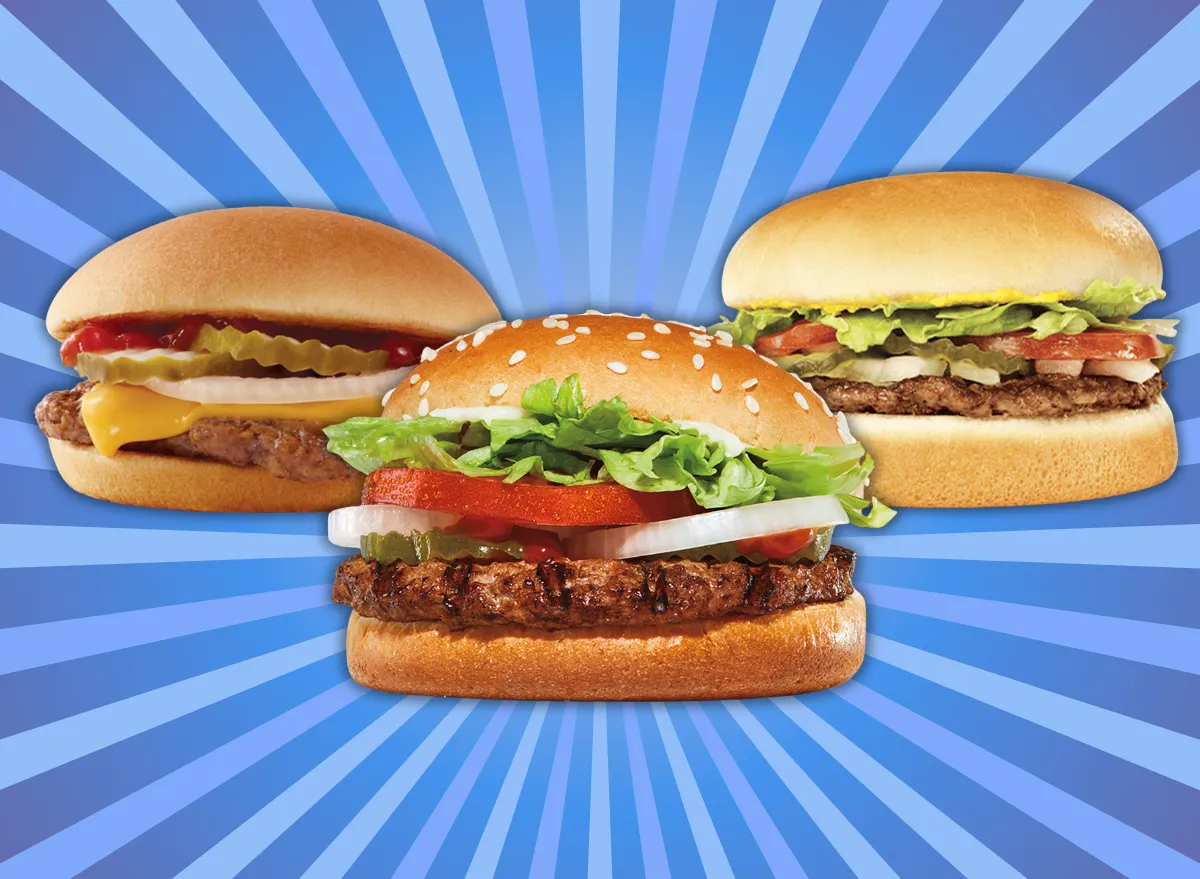
Fast food often gets a bad rap, and for good reason—high calories, unhealthy fats, and excessive sodium can make it seem like a dietary no-go zone. But what if convenience calls, and a burger is your go-to? As a dietitian, I'm here to tell you that enjoying a burger doesn't have to derail your health goals. The secret lies in making informed choices. Forget the idea that 'healthy burgers' are an oxymoron; with the right strategy, you can navigate the drive-through and pick options that align with your wellness journey. This guide will help you identify the healthy burgers on the menu, offering practical advice to make smarter choices when hunger strikes.
Debunking the "Unhealthy Burger" Myth: What Makes a Burger Healthy?
The reputation of burgers as an inherently "unhealthy" food is often oversimplified. In reality, the nutritional value of your burger largely depends on its components. A burger can be a great source of protein, providing satiety and essential amino acids. The key is to look beyond the oversized, loaded versions and focus on quality ingredients, appropriate portions, and smart customizations.
- Protein Power: Lean meat, chicken, turkey, or plant-based patties can provide a significant protein boost, helping you feel full and satisfied.
- Calorie Control: The biggest pitfall is often excessive calories from multiple patties, rich sauces, extra cheese, bacon, and deep-fried sides. Opting for single patties and fresh toppings helps manage this.
- Healthy Fats vs. Unhealthy Fats: While some fat is essential, minimizing saturated and trans fats found in processed meats, excessive cheese, and fried elements is crucial for heart health.
- Fiber & Micronutrients: Loading up on fresh vegetables like lettuce, tomatoes, onions, and pickles adds fiber, vitamins, and minerals, elevating the nutritional profile of your burger.
- Sodium Awareness: Fast food is notorious for high sodium. Being mindful of condiments and processed toppings can make a big difference.
Making a burger healthier isn't about deprivation; it's about making informed swaps and prioritizing nutrient-dense choices. When you understand what contributes to a burger's overall healthfulness, you're empowered to make better decisions, even at the drive-through.
Dietitian-Approved Fast-Food Burgers: Smart Choices on the Go
Sometimes, hitting the drive-through is simply unavoidable. When that happens, knowing which fast-food burgers offer the best nutritional bang for your buck can be incredibly helpful. Here are some dietitian-approved options and strategies to make them even better:
Freddy's Single Steakburger: A Protein Powerhouse
Freddy's stands out for its commitment to freshness, with hand-formed patties made at each location. Their Single Steakburger offers a great balance of protein and calories, making it a filling yet sensible choice.
- Nutritional Snapshot: At around 380 calories and delivering 24 grams of protein, this burger keeps you satisfied without excessive caloric intake. It typically comes with mustard, onion, and pickle on a toasted bun.
- Why it's a Smart Pick: The single, hand-formed patty suggests a higher quality, less processed meat. The basic toppings keep added fats and sodium in check.
- Dietitian's Tip: To further enhance its healthfulness, consider skipping the fries and opting for a side salad (ask for dressing on the side) or simply a glass of water to complete your meal.
Five Guys Little Cheeseburger (or Little Hamburger): Customization is Key
Don't let the name fool you—the "Little" Cheeseburger at Five Guys simply refers to its single patty, compared to their standard double. Five Guys also prides itself on using fresh, additive-free meat, and their patties are made in-house.
- Nutritional Snapshot: While specific nutritional info for the "Little Cheeseburger" isn't listed directly, you can combine the single patty with cheese and basic toppings. This option provides nearly 30 grams of protein.
- Why it's a Smart Pick: The fresh, additive-free meat is a significant advantage. The real power of Five Guys, however, lies in its customization options.
- Dietitian's Tip: This is where you can truly take control! Opting for a lettuce wrap instead of a bun can shave off approximately 240 calories and eliminate all the carbs. Load up on free veggie toppings like lettuce, tomatoes, grilled onions, mushrooms, and pickles. Be mindful of high-calorie, high-sodium sauces like BBQ sauce or mayonnaise; ask for them on the side or skip them altogether.
BurgerFi Burger: Quality Angus in Moderation
BurgerFi is known for its commitment to using quality Angus beef that is hormone and antibiotic-free. Their standard BurgerFi Burger typically features two patties, lettuce, tomato, and their signature BurgerFi sauce.
- Nutritional Snapshot: While the standard two-patty BurgerFi burger can be higher in calories and fat, the quality of the beef is a plus.
- Why it's a Smart Pick: The emphasis on better-quality beef means you're getting a more wholesome protein source compared to some highly processed alternatives.
- Dietitian's Tip: To make this a healthier choice, simply request a single patty instead of two. Ask for the BurgerFi sauce on the side so you can control the amount, or opt for mustard and ketchup in moderation. Load up on fresh veggies like lettuce, tomato, onion, and pickles.
Beyond the Patty: Optimizing Your Burger Order
Choosing the right patty is just the first step. To truly create healthy burgers, you need to consider every component. Here’s how to optimize your order, no matter where you are:
- Go for a Single Patty: This is arguably the most impactful choice. Reducing the number of patties drastically cuts down on calories, fat, and sodium.
- Embrace the Veggies: Load up on fresh toppings like lettuce, tomato, onions, and pickles. Many places also offer grilled onions or mushrooms, which add flavor and nutrients without significant extra calories.
- Be Wary of Sauces: Mayo, special sauces, and creamy dressings can quickly add hundreds of calories, unhealthy fats, and sugar. Ask for sauces on the side or opt for simple mustard or a small amount of ketchup.
- Consider a Lettuce Wrap: If available, swapping the bun for a lettuce wrap is an excellent way to reduce carbs and calories, especially if you're managing blood sugar or watching your intake.
- Choose Your Cheese Wisely (or Skip It): While cheese adds flavor and calcium, it also adds calories, saturated fat, and sodium. One slice is often enough; skipping it can save you around 100 calories.
- Bacon is an Indulgence: Bacon adds a lot of flavor, but also significant amounts of fat and sodium. Treat it as an occasional treat rather than a standard add-on.
- Smart Sides: French fries are a classic pairing, but they're often deep-fried and loaded with calories and unhealthy fats. Opt for a side salad (dressing on the side), an apple, a fruit cup, or even a baked potato if available. Water is always the healthiest beverage choice.
Understanding these principles allows you to transform almost any fast-food burger into a more balanced meal. For more insights into how ingredient choices impact the overall health of your burger, read our article: Burgers Can Be Healthy: Fresh Ingredients vs. Smart Fast Food Choices.
The Home Advantage: Crafting Your Own Healthy Burgers
While making smart fast-food choices is essential, the ultimate control over what goes into your burger lies in making it at home. Crafting homemade burgers, particularly plant-based options, opens up a world of nutritious possibilities that go far beyond what any drive-through can offer.
Think about the philosophy behind books like Lukas Volger’s "Veggie Burgers Every Which Way," which champions fresh, whole ingredients over processed patties and mysterious faux meats. Volger’s approach—using fresh produce, beans, grains, tofu, and seitan—demonstrates that veggie burgers can be incredibly flavorful, diverse, and packed with nutrients. From Spicy Peanut and Carrot Burgers to Kale and Quinoa Burgers, the creativity and health benefits are limitless when you're in charge of the kitchen.
Making your own healthy veggie burgers gives you complete control over ingredients, allowing you to:
- Control Sodium: You decide how much salt goes in.
- Choose Lean Proteins: Opt for lean ground beef, turkey, chicken, or nutrient-dense plant-based ingredients.
- Load Up on Fiber: Incorporate vegetables directly into your patties and pile them high as toppings.
- Select Whole Grains: Use whole-wheat buns or consider lettuce wraps.
- Avoid Additives: No need for preservatives or artificial flavors when you're using fresh ingredients.
The satisfaction of creating a delicious, healthy burger from scratch is unmatched, proving that a burger can truly be a cornerstone of a balanced diet.
Conclusion
The notion that all burgers are unhealthy is a myth that needs to be debunked. As this dietitian's guide illustrates, with a little knowledge and mindful decision-making, you can enjoy healthy burgers even from fast-food establishments. Prioritizing single patties, fresh vegetables, and sensible condiments can transform a typically indulgent meal into a more balanced option. And when you have the time, embracing the creativity of homemade burgers, especially plant-based varieties, offers the ultimate control over nutrition and flavor. Remember, health is about balance and making the best choices available to you in any given situation.
